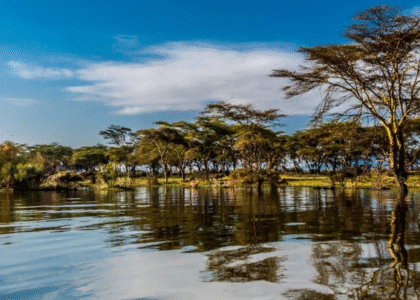
Kenya remains one of Africa’s most diverse safari destinations, offering everything from vast savannahs to dramatic geothermal landscapes. Among the country’s most unique treasures, Lake Bogoria National Reserve stands out as a world-class destination for those seeking something beyond the traditional Big Five encounter.
The reserve promises a rare combination of volcanic drama, steaming geysers, and vibrant birdlife. If you’re planning your Rift Valley safari and wondering what makes this destination special, this guide breaks down the key highlights to ensure you don’t miss a thing.
Also Read: How to Plan the Perfect Coastal Getaway with Expert Tour Packages
Lake Bogoria: At a Glance
While other parks offer classic plains, Lake Bogoria is defined by its rugged escarpments and intense geothermal activity.
1. Steaming Hot Springs and Erupting Geysers
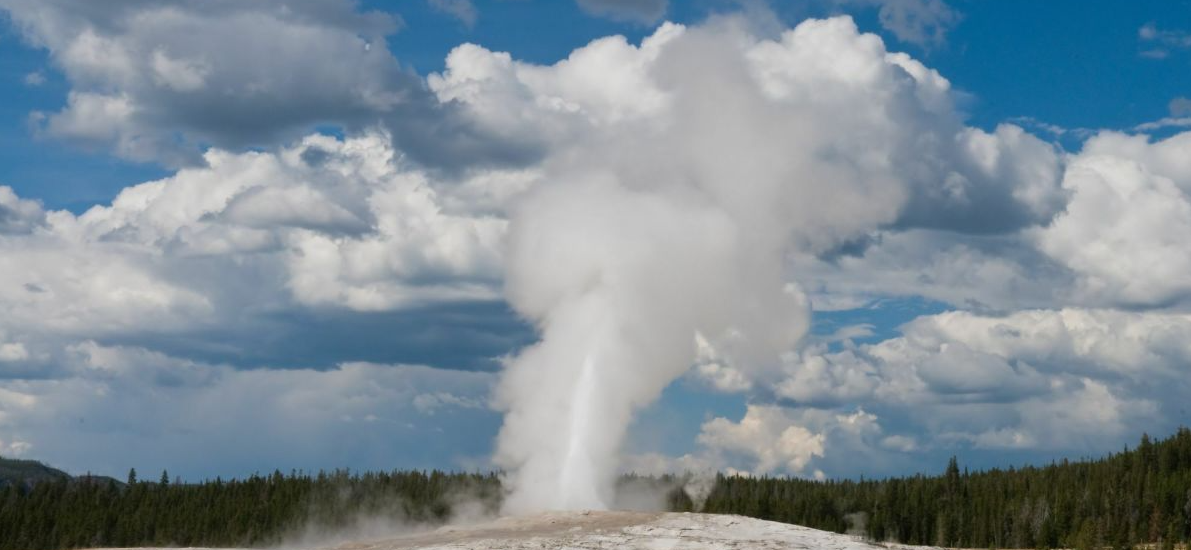
Lake Bogoria is Kenya’s geothermal heartland. The reserve is home to over 200 hot springs and a series of spectacular geysers.
- The Geysers: At the Loburu Hot Springs, you can witness active geysers erupting, with plumes of scalding water shooting up to 5 meters into the air.
- The Experience: The air is thick with steam and the scent of sulphur, creating an “out of this world” atmosphere. A popular local tradition is boiling eggs in the naturally piping hot water (often reaching 94°C)—a fun demonstration of the earth’s raw power.
2. Seas of Flamingos
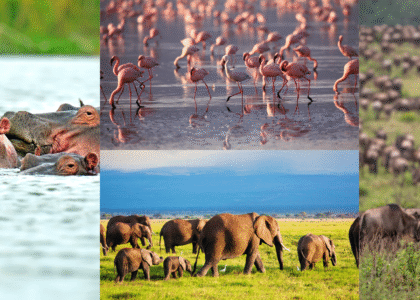
The lake is a vital life-support system for the Lesser Flamingo. Because the water is highly alkaline, it produces massive amounts of spirulina (blue-green algae), which attracts these birds in staggering numbers.
- The Spectacle: On a good day, the lake is blanketed in a shimmering sea of pink. While their presence fluctuates with water levels, seeing up to two million flamingos honking and dancing in the shallows is a once-in-a-lifetime sight.
- Photography Tip: Visit at sunrise or sunset to capture the reflection of pink feathers against the deep blue of the lake and the green of the surrounding escarpments.
3. Dramatic Cliffs and the Siracho Escarpment
The scenery at Lake Bogoria is defined by the towering Siracho Escarpment on its eastern shore.
- Viewpoints: Several vantage points along the road offer panoramic views of the entire lake system. From these heights, you can see the contrast between the turquoise water, the white trona salt deposits along the shore, and the rugged volcanic terrain.
- Erosion Features: The landscape is a lesson in geology, featuring fascinating erosion patterns, deep gullies, and ancient volcanic rock formations.
4. Unique Geological Features: Trona and Anthills
The shores of the lake are often encrusted with trona—a white, crystalline mineral formed through evaporation.
- The Landscape: These white salt flats contrast sharply with the dark volcanic soil.
- Giant Anthills: As you drive through the acacia woodlands at the southern end, you’ll encounter massive, intricate anthills that stand like natural sculptures across the plains.
5. Excellent Birding Beyond Flamingos
While the flamingos take center stage, Lake Bogoria is an Important Bird Area (IBA) with over 350 recorded species.
- Kesubo Swamp: To the north of the lake, this swamp is a haven for birdwatchers.
- Species to Spot: Look out for the African Fish Eagle, Verreaux’s Eagle (often soaring near the escarpments), Black-necked Grebe, and the rare Jackson’s Hornbill.
6. Rare Wildlife: The Greater Kudu
While mammal sightings are generally rarer than in the Maasai Mara, Lake Bogoria is one of the few places in Kenya where you can spot the Greater Kudu. These magnificent antelopes with spiraling horns are shy and prefer the dense thickets at the base of the escarpments. You may also encounter zebras, impalas, klipspringers, and buffaloes.
Best Time to Visit
Planning your trip according to the seasons will ensure you witness the reserve’s most famous phenomena in their full glory. While Lake Bogoria is a year-round destination, understanding the weather patterns helps in timing your visit for the best wildlife visibility and photography light:
- Dry Season (June to October): Best for flamingo visibility and accessible roads.
- Green Season (November to May): Lush scenery and ideal for spotting the Greater Kudu.
- Golden Hour: Early morning is essential for the best light and capturing the geothermal steam before it dissipates in the midday heat.
Why Visit Lake Bogoria?
If you are looking for an experience that moves away from the crowds and into a world of raw natural beauty, this reserve is the perfect choice.
Choose Lake Bogoria if you want:
- To witness erupting geysers and steaming hot springs.
- Incredible photography of “pink” lakes and “seas” of flamingos.
- A rugged, off-the-beaten-path adventure in a volcanic landscape.
- To see the majestic Greater Kudu in its natural habitat.
For many travelers, the best experience involves combining Lake Bogoria with Lake Nakuru or Lake Baringo, a route that ChrisTrip Tours and Safaris handles with local expertise.
Why Travel with ChrisTrip Tours and Safaris
ChrisTrip Tours and Safaris ensures your journey into the rugged Rift Valley is safe, comfortable, and informative. Whether you are coming for the geysers or the birds, ChrisTrip ensures:
- Expert Trip Planning: Navigating the seasonal shifts of the lake.
- Experienced Local Guides: Who understand the geothermal safety and birding hotspots.
- Robust 4×4 Vehicles: Essential for the volcanic terrain of the reserve.
- Custom Rift Valley Packages: Flexible itineraries tailored to your interests.
Final Thoughts
Lake Bogoria offers an extraordinary departure from the standard safari. While the Maasai Mara dominates for big cats, Bogoria is the undisputed king of geothermal wonder and flamingo spectacles. It is a place where the earth feels alive beneath your feet.Contact ChrisTrip Tours and Safaris today to plan your unforgettable Lake Bogoria adventure.